
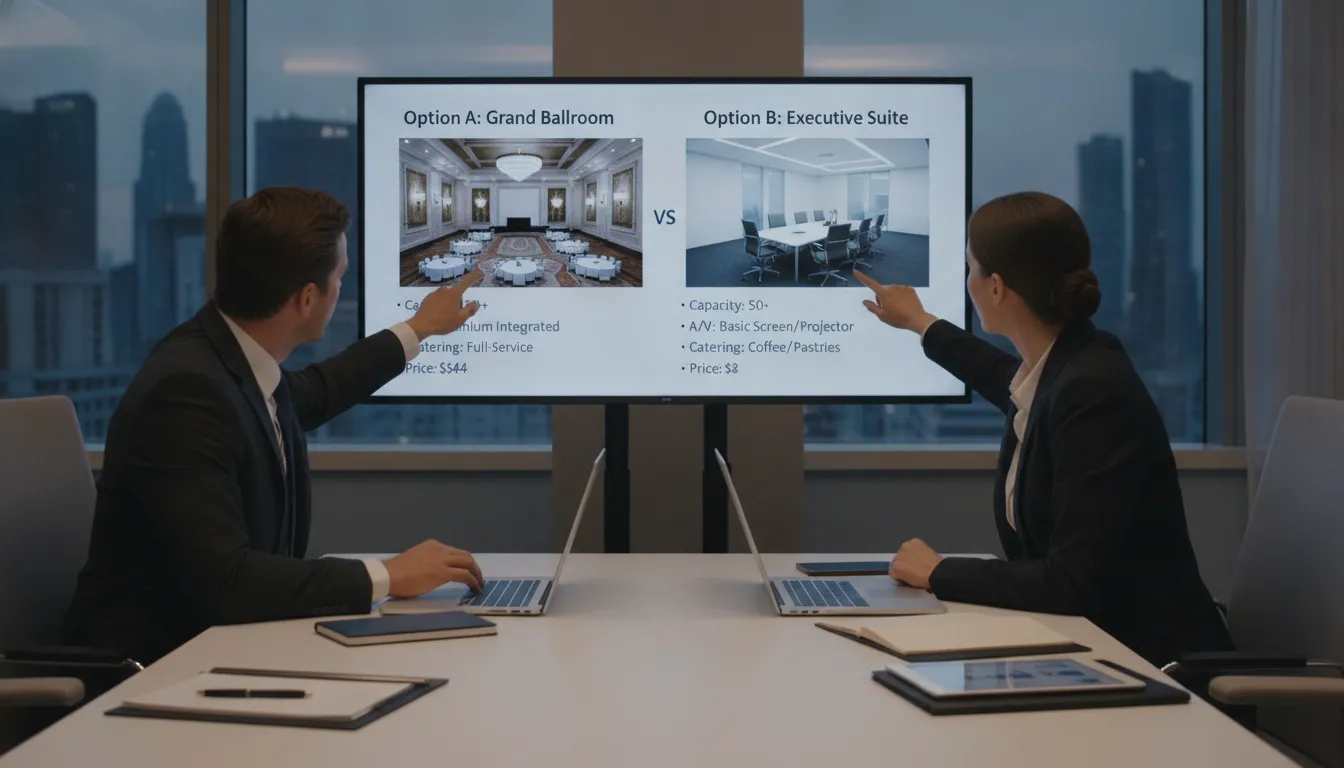
Choosing a hotel meeting space rental can simplify event planning by keeping meetings and accommodations at the same property. But a low room rate doesn’t always mean a better fit. You’ll want to understand what the quote includes, which services cost extra, and whether the space can support your schedule and preferred seating arrangement. Consider attendee travel, guest rooms, catering, technology, parking, and accessibility before making a decision. Koosh Collection’s South Florida portfolio includes Dolce by Wyndham Hollywood, with meeting and event space, as well as properties in Fort Lauderdale. Read on for a practical checklist to help you compare venues, ask clear questions, and make a choice that suits your group.
Key Takeaways
- Define your event requirements first: Share dates, attendance, agenda, setup, and lodging needs so each hotel can prepare a comparable proposal.
- Assess the space and guest experience: Check capacity, accessibility, travel, parking, technology, catering, and on-site support against your attendees’ needs.
- Review the full cost before booking: Compare itemized quotes, clarify room-block and cancellation terms, and get all inclusions and agreed concessions in writing.
What Should You Compare in a Hotel Meeting Space?
A polished room is only one part of a successful event. When comparing hotel meeting spaces, consider how attendees will get there, whether the room can accommodate your agenda, and what support comes with the rental. The right fit should work for your group’s schedule and practical needs, not just look appealing in photos.
Before requesting quotes, outline your expected attendance, event schedule, preferred room setup, and any overnight lodging needs. Use the same checklist for each property so you can compare options fairly. Ask about capacity by layout, accessible routes, parking, Wi-Fi, audiovisual equipment, catering, and extra fees. If attendees are staying overnight, find out how guest rooms relate to the meeting space and whether the hotel can accommodate a room block.
Location matters, too. Consider where attendees are traveling from and what they may want to do before or after the event. Koosh Collection’s South Florida hotels include properties in Hollywood and Fort Lauderdale, each with its own setting and services. For example, Dolce by Wyndham Hollywood offers meeting and event space alongside accommodations. Contact each property to confirm which options suit your group.
Match Location to Attendees’ Travel and Lodging Needs
Start by considering where attendees are coming from and how they’ll reach the venue. Check access from major roads, airports, and public transportation, then consider how close the hotel is to places guests may visit during their stay. A convenient location can make arrival easier and help keep the event on schedule. The Warehouse Hotel’s guide to choosing meeting rooms also recommends weighing accessibility when evaluating venues.
If guests need overnight accommodations, ask about room availability, room-block options, and the distance between guest rooms and the meeting space. For a South Florida gathering, compare whether Hollywood or Fort Lauderdale better fits the group’s travel plans and itinerary. Koosh Collection’s hotel portfolio gives planners properties in both destinations to consider. Confirm travel times and lodging details directly with each hotel, since what works best depends on where attendees are coming from and what they need during the visit.
Check Capacity, Accessibility, Parking, and Nearby Amenities
Ask for capacity figures based on your preferred room setup. A space may hold more guests in rows than it can accommodate with tables, presentation equipment, or room for networking. Request a floor plan and a capacity chart to understand how the space will function for your agenda. Smart Meetings recommends requesting both when assessing a hotel venue.
Also confirm accessible entrances, routes, restrooms, and seating arrangements. Ask about parking availability, costs, and any nearby dining or amenities attendees might use between sessions. If your schedule may change, check whether the hotel can accommodate a different setup or use of additional space. It’s worth asking about the distance from guest rooms to the meeting area, noise control, and quiet hours, too. These details help you assess how comfortable and practical the venue will be throughout the event.
Compare Wi-Fi, AV, Catering, and On-Site Support
Ask which services and equipment are included in the quote. Confirm Wi-Fi availability, connection details, screens, projectors, microphones, speakers, and technical support. Find out whether AV equipment is included or billed separately, and whether a technician will be available during your event. If you plan to use an outside vendor, ask about access, setup requirements, and any related fees.
Review catering in the same detail. Request menu options, service details, food and beverage minimums, and a full fee breakdown. Share dietary needs early so the hotel can explain what it can accommodate. If the proposed costs exceed your budget, ask whether the hotel can adjust the package or room fee. Veteran Events’ guide to negotiating room rental costs recommends discussing a lower flat fee when complimentary meeting space is not available. Get any revised pricing and inclusions in writing.
Ask About Event Planning and Property-Specific Services
Clarify who will coordinate your event and what support that person can provide. Ask whether you’ll have a dedicated contact, when you can access the room, who manages setup, and whom to reach if equipment needs attention. Confirm the timeline for vendor arrival, room preparation, event start and end times, and cleanup. A clear plan helps everyone understand their responsibilities.
Services and policies can vary by property, so verify the details for the specific hotel you’re considering. Ask about room blocks, catering arrangements, parking, and amenities that matter to your attendees. If you’re considering Dolce by Wyndham Hollywood, contact the hotel to discuss its meeting and event options and which services fit your plans. Requesting a written proposal, floor plan, and setup details gives you useful information to compare before you book.
Which Meeting Room Layout Fits Your Event?
The best layout depends on how guests will spend their time. Consider the agenda first, then confirm the room can support the activities, equipment, and movement your event requires.
Match Seating to Presentations, Workshops, and Discussions
For a presentation, theater-style seating keeps attention on the speaker and can accommodate more guests. Choose classroom-style seating when attendees need tables for notes or laptops. Workshops often work well with small-group tables, while a boardroom setup supports focused discussions where everyone should be able to see and hear one another.
Before selecting a layout, map out the agenda. Will guests mostly listen, collaborate in groups, or move between activities? Share those details with the venue team so they can recommend a setup that suits the program. The Event Temple guide to adaptable meeting room layouts highlights the importance of clear sightlines and enough space for attendees to move comfortably.
Review Floor Plans, Capacity, and Setup Options
Request a floor plan and capacity chart for every room you’re considering. Capacity changes with the setup: a room that fits many guests in theater style may hold fewer once you add tables, presentation equipment, or space for catering. Compare the listed capacities with your expected attendance and agenda, rather than relying on a single maximum number.
Check whether the diagram includes a speaker area, registration table, or refreshments, and ask which layouts the venue can provide. Smart Meetings recommends reviewing floor plans and capacity charts when evaluating a property. If you’re considering Dolce by Wyndham Hollywood, share your group size and preferred setup with the team to discuss its meeting and event space.
Check Sightlines, Spacing, Traffic Flow, and AV Placement
A room may meet the stated capacity but feel crowded once chairs, equipment, and catering stations are in place. Confirm that guests can see the speaker and screen from their seats, and that aisles remain clear. Think about how attendees will enter, collect materials, and move around during breaks. Placing registration or refreshments away from the presentation area can help reduce interruptions.
Ask where screens, microphones, speakers, and cables will be positioned. If possible, tour the room and review your preferred setup from different seats. The CDA Resort’s venue-selection tips recommend checking AV sightlines during a site visit. For events with overnight guests, also consider the walk between guest rooms and meeting space.
Confirm Setup Changes, Breakout Space, and Reset Times
If your agenda includes multiple sessions, ask whether the room can shift from one layout to another during the event. Confirm how long each reset takes, who will handle it, and whether the change carries an additional fee. Build setup time into the schedule so guests aren’t waiting while the room is rearranged.
For workshops or parallel sessions, check whether breakout rooms are available nearby and how easily attendees can move between them. Ask where guests can gather during breaks, too. Plans may change, so find out whether the venue can accommodate a longer discussion or a breakout group that needs more space. The CDA Resort guide recommends asking about flexibility before booking. Get setup options, reset times, and any related costs in writing.
How Much Does a Hotel Meeting Space Cost?
Hotel meeting space costs depend on the property, location, date, group size, and services your event requires. The room rental is only part of the budget: catering, audiovisual equipment, guest rooms, parking, and service fees can all affect the final price. Request itemized quotes based on the same dates, attendance, and event plans so you can compare each option fairly.
Compare Total Costs by Property and Location
Compare properties that suit your attendees, then look at the complete cost of hosting your event at each one. A convenient location near guest accommodations, the airport, or local attractions may simplify transportation and scheduling. In Hollywood, Florida, Dolce by Wyndham Hollywood combines meeting and event space with guest rooms, dining, and year-round kosher amenities.
When you request a quote, tell the hotel whether your group may also book rooms, meals, or audiovisual services. Some properties consider the event’s overall revenue, rather than the meeting room rental alone, when preparing an offer. Veteran Events recommends discussing total event spend as part of negotiations. This gives the hotel a clearer picture of your needs and may help you ask about a more suitable package.
Include Room Rental, Food and Beverage Minimums, AV, and Fees
Ask whether the hotel charges a flat room rental, a food and beverage minimum, or both. A minimum is the amount your group agrees to spend on catering, even if the meeting room has no separate rental charge. Confirm what happens if your final food and beverage spend falls below that amount, and whether taxes, service charges, and gratuities are included in the quote.
Get a separate estimate for audiovisual needs such as microphones, screens, projectors, and technical support. Also ask about Wi-Fi, power access, room setup, and outside vendor fees. Some hotels may reduce or waive room rental when an event meets a catering minimum, as GO DMC explains. Comparing all these charges together helps you understand the likely total, not just the advertised room rate.
Ask About Room Blocks, Packages, Early Rates, and Discounts
If attendees need overnight accommodations, ask whether the hotel can arrange a room block and include it in your meeting space proposal. Booking guest rooms alongside event space may qualify your group for a package, reduced rental fee, or other concessions. Some hotels may waive meeting room charges when a group commits to a certain number of room nights, according to Groups360’s meeting planner guidance.
Ask whether rates differ for off-peak dates or for booking well in advance. For every discount or package, confirm the requirements in writing, including room-block pickup targets, booking deadlines, and cancellation terms. Check that the package includes services your event will use. A lower bundled price may not save money if it includes catering or equipment you do not need.
Compare Inclusions Before Prices
Before selecting the lowest quote, check what each proposal includes. One hotel may cover tables, chairs, basic AV, Wi-Fi, and setup, while another may charge separately for those items. Request an itemized estimate and ask whether catering, parking, room setup, and on-site technical support are included or billed as extras.
Have the hotel list every negotiated benefit in the contract, including complimentary Wi-Fi, discounted parking, guest room rates, or waived meeting room rental. Veteran Events advises documenting concessions, so there is a clear record of what the hotel has agreed to provide. Once you compare quotes with matching dates, services, and assumptions, you can judge the full value of each space and choose one that fits your event budget.
How Can You Compare Hotel Meeting Spaces?
Compare venues using the same event details, then look beyond the quoted room rate. The right fit depends on how well the space supports your agenda and attendees, including the room setup, on-site service, accessibility, and the convenience of guest accommodations. A consistent checklist helps you weigh each option clearly.
Request Written Quotes for Matching Dates and Needs
Send each hotel the same event dates, attendee count, schedule, and preferred room layout. Include expected catering, audiovisual, guest-room, and setup needs so each proposal covers a comparable scope. Ask for an itemized quote that identifies what’s included, what costs extra, and how long the pricing remains valid.
Request a floor plan and capacity chart alongside the quote. These help you check whether the space can accommodate your preferred setup and give your team a practical way to compare venues. Smart Meetings recommends requesting floor plans and capacity charts when evaluating a hotel’s meeting space. Keep a list of questions with each proposal, then ask the hotel to clarify anything that could affect your budget or schedule.
Read Recent Reviews and Tour the Space
Read recent reviews for details about event coordination, staff responsiveness, room condition, and guest experience. Look for recurring comments, and focus on feedback from people who hosted meetings or events similar to yours. You can also ask the hotel whether it can connect you with a past event client for a first-hand perspective.
When possible, tour the space before you book. Walk through the room, review available services, and ask whether it’s available on your event date. A site visit also gives you a chance to meet the team and see whether the space fits your plans. The Warehouse Hotel’s venue guidance recommends touring potential rooms and checking their services and availability. If you’re considering Hollywood, contact Dolce by Wyndham Hollywood to ask about its meeting and event spaces.
Check Noise, Service, Accessibility, and Room Flow
During your tour, listen for noise from nearby rooms, public areas, or other events. Check how attendees will get from the entrance, parking, and guest rooms to the meeting space. Ask about accessible routes, restrooms, and seating arrangements so you can plan for guests with different mobility needs.
Then walk through the room as an attendee would. Check sightlines to screens and speakers, space between seats, and clear paths for entering, exiting, and moving between activities. Ask who will handle setup changes and whether technical support will be available during the event. CDA Resort’s venue checklist recommends reviewing room layouts, audiovisual sightlines, noise control, and the distance between guest rooms and meeting areas. These practical details can shape the comfort and flow of the day.
Compare Inclusions, Not Just Room Rates
A lower rental rate may come with extra charges for Wi-Fi, audiovisual equipment, catering, parking, staffing, setup, or service fees. Ask each hotel for a detailed estimate that separates fixed costs from charges that depend on attendance or usage. This makes it easier to understand the likely total and see how costs could change if your headcount shifts.
If you need guest rooms as well as meeting space, ask whether the hotel can price them together. A package may suit your budget, but confirm the terms and make sure each agreed item appears in the proposal and contract. Check details such as food and beverage minimums, complimentary rooms, discounted parking, and Wi-Fi. Veteran Events recommends bundling room blocks, catering, and audiovisual costs when assessing event expenses. Compare complete proposals to understand the value each venue offers.
What Should You Include in a Meeting Space Quote Request?
A clear quote request gives each hotel the same details to work with, so you can compare options on equal terms. Include your event schedule, guest count, room setup, and service needs, then ask the hotel to itemize its pricing and confirm what’s included. For a South Florida event, you can also ask Dolce by Wyndham Hollywood about meeting space and guest accommodations.
Share Dates, Attendance, Agenda, and Preferred Layout
Provide your preferred dates, event hours, and any flexibility you have. Even a one-day shift may open up more room options. Give the hotel your expected attendance, and note whether that number is likely to change.
Include a draft agenda with session times, breaks, meals, and any activities that require separate rooms. Describe your preferred layout, such as theater, classroom, boardroom, or banquet seating. If you’re not sure what will work best, ask the hotel to recommend a setup based on your agenda and guest count. Request a floor plan and capacity chart for each space under consideration. Smart Meetings recommends reviewing these documents to evaluate room fit and compare options.
List AV, Wi-Fi, Catering, Dietary, Parking, and Accessibility Needs
List the equipment your event requires, such as microphones, screens, projectors, speakers, video-conferencing tools, and technical support. Explain how attendees will use Wi-Fi, especially if they’ll join video calls or connect several devices.
For catering, note meal and break times, service style, and estimated headcount. Flag dietary needs, allergies, or kosher requirements early so the hotel can confirm what it can accommodate. Include parking needs and any accessibility requirements, such as step-free access or accessible restrooms. Ask the hotel to itemize these services and fees in its quote. If you’re considering guest rooms, catering, and AV together, Veteran Events suggests discussing the combined spend, which may give you more room to negotiate.
Include Room-Block Needs and Setup Times
If attendees need overnight stays, estimate the number of rooms per night and share preferred room types, arrival and departure dates, and any requests for accessible rooms. Ask whether the hotel can hold a room block, how long the rooms will remain available, and when guests must book by.
For the meeting space, specify when vendors can arrive, when setup needs to be finished, and when teardown must be complete. Mention time needed for deliveries, decorating, rehearsals, or AV checks. If the room needs to be reset between sessions, describe the changes and timing. Ask the hotel to put room-block terms and any negotiated inclusions in writing. Confirm details such as Wi-Fi, parking, and concessions in the contract, as Veteran Events advises.
Ask About Availability, Quote Expiration, and Flexible Options
Ask the hotel to confirm availability for your preferred dates and suggest alternatives if your first-choice space is unavailable. Find out how long the quote is valid, when you need to decide, and whether a deposit is required to hold the space. If your attendance is still uncertain, ask when the final guest count is due and whether you can adjust the room size before then.
You can also ask about flexible packages, alternate layouts, or pricing tied to catering and guest rooms. For example, meeting room fees may be reduced or waived when an event meets a food and beverage minimum, as GO DMC explains. Request any updated offer in writing, including its expiration date, conditions, and itemized costs, so you can review it alongside other quotes.
How Can You Negotiate a Better Meeting Space Rental?
A productive negotiation starts with a clear view of your event’s needs and your total budget. Before requesting proposals, list the costs you expect for meeting space, guest rooms, catering, audiovisual equipment, parking, and outside vendors. Then identify which items are essential and where you can be flexible, such as event dates, menu choices, or room setup.
Ask each hotel to explain which parts of its proposal may be adjusted. You might find more options by considering alternate dates or bundling services, rather than focusing only on the room rental fee. For a South Florida gathering, also weigh how the venue’s location and lodging options work for your attendees. You can review the meeting and event options at Dolce by Wyndham Hollywood as you compare spaces for your group.
Keep requests specific, and ask for an itemized proposal so you can compare offers fairly. Once you reach an agreement, check that every discount, included service, and condition appears in the contract.
Share Your Budget and Total Event Spend
Share a realistic budget range and explain what it needs to cover. This helps the hotel’s events team suggest practical adjustments, such as a different catering option or room setup, rather than making assumptions about your priorities. Be clear about what your group needs and what you could change.
Describe the full event, including expected guest room bookings, meals, and AV requirements. Hotels may consider the overall value of your business when preparing an offer, not just the meeting room fee. Hopskip’s cost-saving tips recommend explaining how your group’s room needs relate to the space you plan to use. Sharing those details gives the hotel a clearer basis for proposing rates or concessions.
Ask to Bundle Meeting Space, Catering, and Guest Rooms
Ask whether the hotel can quote meeting space, catering, and guest rooms together. A combined proposal may give the property more flexibility to offer concessions across services and makes it easier for you to review the event’s total cost. Request an itemized breakdown, so you can see the price of each component and compare it with other offers.
Make sure the package suits your actual agenda and attendance. Ask about food and beverage minimums, room-block rates, and how charges change if your headcount shifts. Veteran Events’ guide to negotiating meeting space costs advises planners to consider the event’s total spend. Use that broader view to discuss options, but avoid paying for services your group is unlikely to use.
Discuss AV Costs and Outside Vendor Policies
Request an itemized AV quote that separates equipment, labor, setup, and service fees. Confirm which essentials are already included, such as Wi-Fi, screens, microphones, or basic technical support. If you need additional equipment, ask whether the hotel can offer a different package or adjust the setup to meet your requirements at a lower cost.
Check the policy for outside AV vendors before signing. Ask about insurance, load-in times, equipment access, and any fees for using an external provider. Planning Pod’s venue negotiation advice recommends reviewing AV charges closely. A detailed quote and clear vendor policy help you identify extra costs early and plan the right technical support for your event.
Get Discounts and Concessions in Writing
Ask for every negotiated concession to be included in the contract. This might include complimentary Wi-Fi, reduced parking rates, a discounted room block, or a waived meeting room fee. The agreement should specify what’s included, the applicable price or discount, and any conditions attached to it.
Review the terms tied to each concession. For example, a reduced room rate might depend on booking a minimum number of rooms, while a rental discount could require a food and beverage minimum. If details change during planning, request an updated contract that reflects the new terms. Veteran Events recommends documenting negotiated terms, rather than relying on verbal promises. A clear written agreement helps your team and the hotel work from the same plan.
What Should You Confirm Before Booking?
Before you sign a hotel meeting space contract, make sure the written details match your event plan. A room may look ideal during a tour, but the rental price alone won’t tell you what’s included or what could add to the final bill. Confirm payment and cancellation terms, access times, setup responsibilities, technology support, catering arrangements, and any guest room commitments.
Ask for an itemized quote that separates room rental, food and beverage, audiovisual equipment, parking, service charges, and taxes. Check which services are included and which cost extra. If the venue has agreed to a discount or complimentary service, ask for it to appear in the contract. Groups360’s hotel contract guidance is a helpful reminder to review fees beyond the headline rental rate.
Your event may also depend on details such as vendor arrival times, accessible routes, or room-block deadlines. Confirm these well before the event so you can share accurate information with attendees and vendors. If you’re considering a South Florida gathering, Dolce by Wyndham Hollywood is one Koosh Collection property to ask about for meeting and event space. Use the questions below to compare venues and make sure the agreement reflects what your group needs.
Review Deposits, Deadlines, Cancellation Terms, and Fees
Ask how much the deposit is, when each payment is due, and whether deposits are refundable. Review cancellation and rescheduling deadlines, along with any related fees. Check for possible charges tied to overtime, setup changes, extra cleaning, or added services.
Request a detailed explanation of every line item in the quote, including taxes and service charges. If you’ve negotiated complimentary Wi-Fi, discounted parking, waived room rental, or guest rooms, make sure the agreement spells out the offer and any conditions. Veteran Events’ contract advice emphasizes documenting negotiated terms so both sides have the same expectations. Keep the signed contract and any approved updates together for easy reference.
Confirm Setup, Vendor Access, Tech Support, and Event Contacts
Confirm when your team and vendors can access the room, when setup must be complete, and when everything needs to be cleared. Clarify who will arrange tables, chairs, linens, and signage, and whether layout changes or room resets carry an added fee. If you’re bringing outside vendors, ask about delivery access, insurance requirements, and equipment restrictions.
Check which AV equipment and Wi-Fi are included, whether you’ll need adapters, and if a technician will be available during the event. Request a floor plan and capacity chart to review the setup options before committing. Smart Meetings recommends requesting these details as part of evaluating a venue. Before booking, get the name and contact information of the person who will coordinate your event and help with day-of questions.
Verify Catering, Room-Block Terms, and Accessibility
For events with food or refreshments, confirm menu choices, service times, dietary accommodations, and the deadline for submitting final attendance numbers. Ask whether catering must be provided by the hotel, whether outside food is allowed, and whether a food and beverage minimum applies. Find out if meeting room fees change when your group meets a spending requirement. GO DMC’s event negotiation guidance explains how catering commitments can factor into meeting space costs.
If attendees need guest rooms, review the room-block rate, booking deadline, minimum pickup, attrition terms, and cancellation policy. Confirm accessible routes to meeting rooms, restrooms, dining areas, and guest rooms. Discuss specific accommodation requests with the property early, then ask for agreed arrangements to be documented so you can give attendees clear information.
Ensure the Contract Lists All Services and Prices
Compare the contract with your quote and planning notes before signing. It should state the rental dates and hours, room setup, included equipment, Wi-Fi, catering, parking, taxes, service charges, and any agreed discounts or complimentary services. Ask whether prices are fixed or subject to change, and request clarification for any unclear charge.
The agreement should also cover minimum spending requirements, payment deadlines, overtime rates, cancellation terms, and fees for changes or additional services. If the property has agreed to waive or reduce a charge, confirm the amount and any conditions in writing. A complete contract makes it easier to track what the venue will provide and what your group will pay. If a service or price you discussed is missing, ask for an updated agreement before signing.
Where Can You Find Meeting Space in South Florida?
South Florida gives event planners a choice of settings, from Hollywood’s city-and-beach atmosphere to Fort Lauderdale’s coastal appeal. To find the right meeting space, start with the practical details: your event dates, attendee count, agenda, preferred room setup, and whether guests need overnight accommodations. Then ask each property to confirm availability, capacity, pricing, and the services it can provide.
Think through the full attendee experience, not only the meeting itself. Consider how guests will reach the venue, where they can stay, and what they may want to do before or after the event. If you are comparing a meeting venue with a separate hotel, check travel time between the two and ask about parking or transportation options. A site visit can help you assess room flow, technology placement, and the distance between guest rooms and meeting areas. These details are easier to evaluate in person, and a meeting venue tour checklist can help you prepare questions.
Ask Dolce by Wyndham Hollywood About Meeting and Event Space
For a gathering in Hollywood, contact Dolce by Wyndham Hollywood to ask about its meeting and event space. Share your preferred dates, estimated attendance, agenda, and room layout so the team can tell you whether the property suits your plans. Ask for current capacity details and a written quote based on your specific needs.
Clarify what the quote includes, such as room setup, Wi-Fi, audiovisual equipment, catering, and on-site event support. If attendees need rooms, ask about availability and group rates. Dolce also offers year-round kosher amenities, so let the team know if your event has kosher requirements and confirm which services are available for your group. Clear answers make it easier to compare the property with other venues.
Compare Hollywood and Fort Lauderdale Access for Attendees
The best location depends on how your guests will travel and what they need during their visit. Compare the venue’s distance from airports, accommodations, and planned activities, and check whether attendees will need parking or local transportation. Since traffic can affect travel times, use current route estimates and build extra time into the schedule.
Hollywood and Fort Lauderdale offer distinct settings for a South Florida event. Consider which location best fits your agenda, then ask venues about nearby guest rooms and dining options. If you can tour the space, walk the route from guest rooms to the meeting area and check how attendees will enter and move through the property. Ask about parking, accessibility, and arrival procedures before you book.
Explore Koosh Collection Stays for Your Group’s Visit
Your event venue and hotel may be at separate properties, so compare lodging choices alongside the meeting space. Koosh Collection includes hotels in Hollywood and Fort Lauderdale, giving groups options to consider based on location, stay style, and trip plans.
In Hollywood, Dolce by Wyndham Hollywood combines accommodations, event and meeting space, and year-round kosher amenities. In Fort Lauderdale, LS Hotel & Residences is a boutique property about 300 yards from the beach, while Barley House offers another stay option in the area. Contact the properties to ask about availability, group accommodations, and services for your guests. If the event is elsewhere, confirm the travel time and transportation options between the hotel and venue.
Related Articles
- Group Travel | Koosh Collection
- Hotel Concierge Services for Kosher Guests: What to Ask Before You Book
- Rooms | Koosh Collection
- Shabbat-Friendly Hotel Room Tour: What to Look For Before You Book
- Booking Adjoining Rooms for Shabbat: A Practical Guide
Frequently Asked Questions
What details should I send when requesting a hotel meeting space quote?
Share your preferred dates, estimated guest count, event schedule, room layout, and needs for catering, AV, Wi-Fi, parking, accessibility, and overnight rooms. Providing the same details to each hotel makes proposals easier to compare.
How do I know whether a meeting room will fit my group?
Ask for a floor plan and capacity figures for your preferred setup. A room may hold different numbers of guests in theater, classroom, or boardroom layouts, so compare the capacity with your agenda and equipment needs.
What costs should I check beyond the room rental?
Ask about catering minimums, AV, Wi-Fi, parking, setup, service charges, taxes, and any fees for outside vendors or schedule changes. Request an itemized quote and make sure agreed discounts or included services appear in the contract.
Can a hotel meeting space quote include guest rooms?
Ask whether the hotel can arrange a room block or price accommodations alongside meeting space and catering. Confirm booking deadlines, minimum room commitments, cancellation terms, and any package conditions in writing.
Where can I ask about meeting space in South Florida?
For a Hollywood event, contact Dolce by Wyndham Hollywood to discuss its meeting and event options, guest accommodations, and year-round kosher amenities. Ask the property to confirm current capacity, availability, and services for your event.