
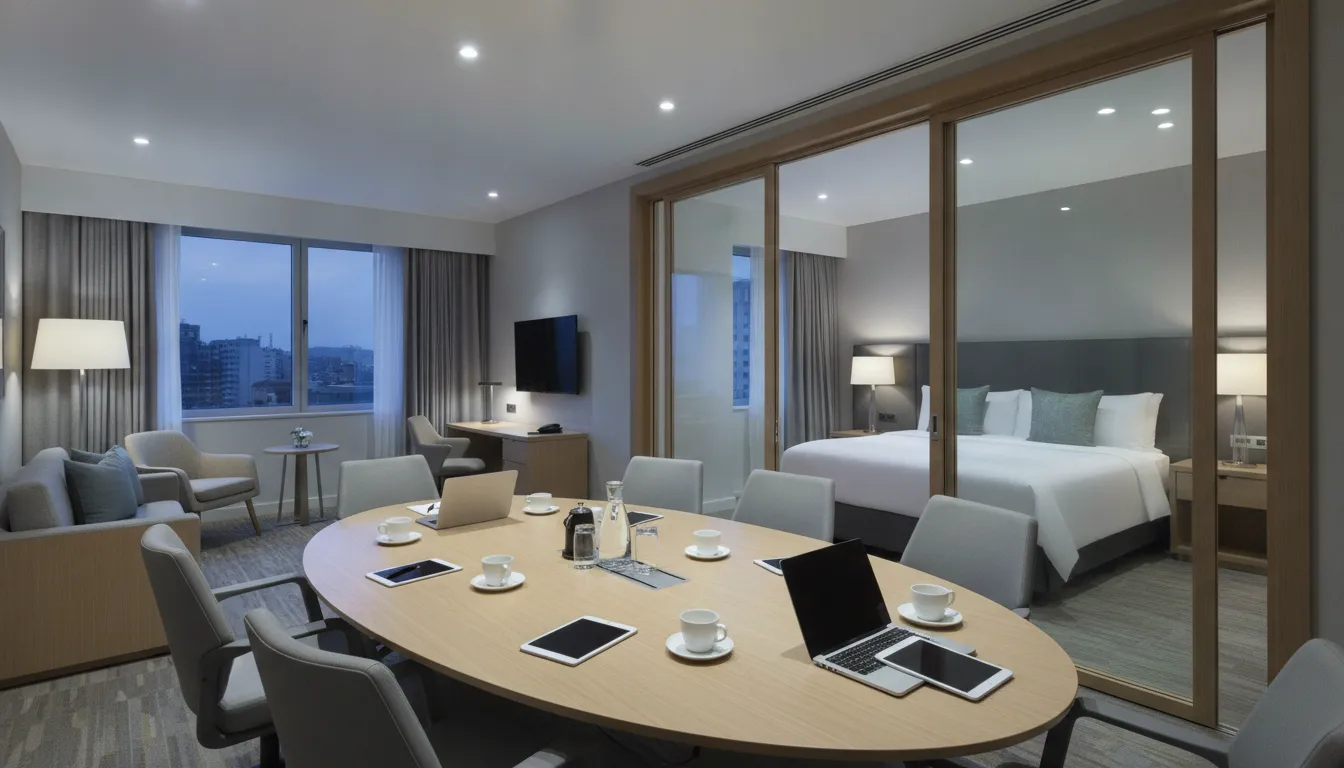
Your retreat venue affects more than where the team meets. It shapes the pace of the day, the ease of getting around, and the time attendees have to connect outside scheduled sessions. A hotel meeting space with overnight accommodations for a corporate retreat can keep meetings, rooms, and dining close together, making the event easier to coordinate. Start by outlining your headcount, agenda, preferred dates, room block, and budget. Then ask each hotel for a detailed proposal that lists capacities, services, fees, and booking terms. If your group has specific dining or accessibility needs, raise them early. These practical steps can help you find a South Florida hotel that fits your plans.
Key Takeaways
- Keep lodging and meetings in one place: A hotel with guest rooms, meeting space, and dining can reduce travel between venues and simplify event planning.
- Choose space and services around your group: Confirm room capacity, layouts, technology, catering, accessibility, and any dietary or accommodation needs before booking.
- Compare complete proposals and contract terms: Review rates, fees, room-block deadlines, cancellation policies, and event details in writing. Contact Koosh Collection properties directly to confirm availability and services.
Why Choose a Hotel With Meeting Space and Guest Rooms?
A hotel with meeting space and guest rooms can make a corporate retreat simpler to plan and more comfortable to attend. Your team can move between sessions, meals, and accommodations without coordinating multiple venues or arranging transportation throughout the day. As you compare properties, consider how well the meeting facilities, rooms, and services fit your group’s agenda. Koosh Collection has hotels in Hollywood and Fort Lauderdale, including properties with event and meeting spaces. Browse the Koosh Collection hotels and contact the property directly to discuss your retreat needs.
Keep meetings, rooms, and meals together
When meeting rooms, guest rooms, and dining are under one roof, attendees can move through the day with fewer interruptions. The group can gather for a morning session, take a meal break, and return to the agenda without traveling between venues. It’s also easier to adjust the schedule if a discussion runs long or the team needs an extra break.
Before booking, ask what the hotel can provide for your dates, including meeting-room layouts, catering, coffee breaks, and presentation equipment. Confirm which services are included in the quote and which cost extra. Comfortable accommodations and convenient meal options can help attendees stay focused throughout a busy program. This guide to corporate retreat venues with meeting and stay options offers more ideas for evaluating the essentials.
Reduce travel stress and simplify logistics
Keeping everyone at one hotel can cut down on transfers, parking questions, and late arrivals from a separate meeting venue. It can also make planning more manageable: you can coordinate lodging and meeting needs with one hotel team instead of balancing several providers.
Start with an estimate of attendance, room needs, arrival times, and the hours you’ll need meeting space. Then request a written proposal that itemizes rates, inclusions, and additional fees. If you’re reserving a room block, compare proposals from multiple hotels and clarify booking deadlines, pickup requirements, and cancellation terms before signing. This guide to negotiating group hotel rates outlines useful questions to ask as you review your options.
Give the team time to connect beyond scheduled sessions
Some valuable retreat conversations happen outside the formal agenda. When colleagues stay at the same hotel, they have more chances to chat over breakfast, reconnect between sessions, or continue a discussion after the workday ends. These informal moments can help people get to know one another and share ideas in a more relaxed setting.
Consider how your team might spend its free time, too. A comfortable shared space, a nearby restaurant, or local attractions within easy reach can give attendees ways to connect without adding a complicated itinerary. When comparing hotels, ask about gathering spaces and nearby conveniences, not just the conference room. The right setting can support planned collaboration as well as casual conversation throughout the stay.
Balance focused work with comfortable downtime
A retreat needs a clear agenda, but attendees also need time to rest and recharge. Comfortable guest rooms, reliable Wi-Fi, and quiet places to take a call can make full days of meetings easier. If your schedule includes open time, hotel amenities and nearby activities can offer a welcome change of pace.
Think through the rhythm of your program before you book. Will attendees need time to work independently? Is there room for a shared meal or a short outing? Ask about room features, dining hours, and available amenities, then match them to your group’s plans. For a Hollywood retreat, Dolce by Wyndham Hollywood offers year-round kosher amenities, an important detail for groups planning meals around kosher needs.
What Meeting Space Fits Your Retreat?
The right meeting space gives your team room to focus, participate, and move easily between sessions. Start with your headcount and agenda, then consider how attendees will use the room: will they listen to a presentation, work in small groups, take notes, or share a meal? A space that fits the number of people on paper may feel cramped once you add tables, presentation equipment, or catering.
When requesting options, share your schedule and any seating preferences with the venue’s events team. Ask for floor plans, layout-specific capacity, and details about breakout rooms or shared spaces. Also discuss accessibility, equipment, and the time needed to prepare and reset the room. These practical questions can help you compare venues on how well they support your plans, not just on appearance. Koosh Collection’s properties in Hollywood and Fort Lauderdale offer distinct settings; contact the hotel you’re considering to confirm its meeting spaces and services for your dates.
Match capacity to attendance, agenda, and seating needs
Begin with your estimated attendance, then account for the activities on your agenda. A presentation may need space for a screen and clear sightlines, while a workshop may require tables, writing materials, and room for participants to work together. Ask the venue for capacity figures based on your preferred setup, rather than relying on a general room maximum.
If your guest count could change, find out how much flexibility the venue can offer. Can it add or remove seats? Is there a larger room available if attendance rises? Sharing your agenda and headcount early helps the events team suggest a comfortable fit. Corporate retreat planning guidance recommends choosing a main meeting room with both attendance and planned activities in mind.
Compare theater, classroom, U-shaped, boardroom, and banquet layouts
Each seating arrangement supports a different kind of session. Theater-style rows suit presentations where attendees mainly listen and watch. Classroom seating gives guests a surface for laptops or notes, which can work well for training. U-shaped seating encourages discussion while keeping a presenter visible, and a boardroom setup gives smaller groups a shared table for conversation and decision-making.
Banquet seating is designed for meals and social gatherings, with guests seated around tables. If your retreat includes several types of sessions, ask whether the room can be reset during the day and how much time that requires. A guide to corporate retreat facilities outlines common layouts and their uses. Request a floor plan or room photos to check that the setup will suit your group.
Ask about breakout rooms, flexible setups, and shared spaces
Breakout rooms give smaller groups a place to collaborate, hold focused conversations, or step away for a call. Ask how many rooms are available, how many people each can accommodate, and whether their use is included in the meeting package. Confirm whether they’re close to the main room and available for the full time your group needs them.
Also ask about shared lounges, outdoor areas, or other informal spaces where attendees can talk between sessions. Find out whether your group can use these areas and whether they’re shared with other guests. If your agenda may change, discuss how the venue handles room or layout adjustments. Venue-selection advice recommends considering breakout rooms and flexible spaces when planning collaborative events. Availability varies by property, so confirm details directly.
Confirm capacity, accessibility, and setup and teardown times for each layout
Ask the venue to confirm the capacity for your chosen layout, including any space needed for screens, catering stations, or accessible seating. Share access requirements early, such as step-free routes or specific seating arrangements. Check that attendees can reach the meeting room and nearby facilities comfortably.
Clarify when your team can enter the room, when vendors may arrive, and how much time is allowed for setup and teardown. These details affect the event schedule and may come with additional fees. Request the confirmed layout, access times, and any related costs in writing before you finalize the booking. A venue planning checklist also advises confirming capacity, accessibility, and setup arrangements in advance.
Which Amenities and Atmosphere Matter Most?
Amenities shape how a corporate retreat feels and functions, from the first presentation to the last shared meal. Start by listing what your team needs to work comfortably: dependable internet, presentation equipment, suitable meals, restful rooms, and places to relax between sessions. Then separate essentials from extras. A pool or nearby attraction may add value, but it matters less if the meeting room cannot support your agenda.
Ask each hotel what is available, what is included in the rate, and what needs advance arrangements. Specific answers help you compare properties fairly and prevent surprises in your budget. Share your schedule and estimated headcount when you ask questions, since a hotel’s recommendations may depend on how many people are attending and how you plan to use the space.
Atmosphere deserves equal attention. Consider whether the property feels right for your group, whether attendees can move easily between sessions and rooms, and whether the setting allows for both focused work and relaxed conversation. If a particular service or accommodation is important to your attendees, raise it early and confirm the details directly with the hotel. The following areas can help you assess what will make your retreat more comfortable and productive.
Check Wi-Fi, AV equipment, power access, and technical support
Reliable Wi-Fi and presentation equipment help keep sessions running smoothly, whether your team is sharing slides, joining a video call, or working between meetings. Ask whether internet access is available in both meeting rooms and guest rooms. Confirm what AV equipment the hotel provides, such as screens, microphones, speakers, and adapters, and whether attendees will have convenient access to power outlets.
Be specific about your agenda. Hybrid sessions, for example, may require stronger connectivity and additional equipment. Ask whether technical support is available during your meeting, when your team can test the setup, and whether equipment or assistance costs extra. The quality of meeting infrastructure can affect how well sessions run, so get the details in writing rather than relying on a general promise of Wi-Fi and AV.
Review catering, meal schedules, dietary needs, and service options
Meals set the pace of a retreat, so check whether the hotel can provide breakfast, lunch, refreshments, and dinner around your schedule. Ask where meals will be served, whether your group can arrange private dining, and how much flexibility the hotel offers if a session runs long. Request menus and pricing early, including any service charges or setup fees.
Share dietary needs before booking, including allergies, vegetarian preferences, and religious or cultural requirements. Ask how the hotel labels meals and manages allergy-related requests, then confirm arrangements with the appropriate staff member. If your group needs meals at set times or in a particular location, make that clear when you request a proposal. A hotel’s dining and meeting services may simplify planning, but the available options should fit your attendees and agenda.
Compare guest rooms, suites, and spaces for informal conversations
Comfortable rooms give attendees a place to recharge after sessions. Compare room and suite options, bed configurations, work surfaces, and the distance between accommodations and meeting areas. If attendees will share rooms, confirm the arrangements and room types before reserving a block. It can also help to ask about quiet hours, check-in timing, and any room features that matter to your group.
Consider the spaces people can use between scheduled activities. A lounge, patio, or restaurant can give colleagues a relaxed setting to continue conversations without extending the formal agenda. Ask whether shared spaces are open to your group, whether they need to be reserved, and whether fees apply. When reviewing a property such as LS Hotel & Residences, look at its room and suite options alongside the spaces your team may use during the stay.
Consider wellness amenities, recreation, and nearby activities
A retreat schedule benefits from time away from the meeting room. Depending on your group, a fitness area, pool, beach access, or nearby dining and attractions may give attendees an easy way to unwind. Ask which amenities are on-site, their hours, whether access is included, and if your group needs to reserve space in advance.
Look at the surrounding area, too. Walkable restaurants and attractions can make free time simpler, while off-site outings may require transportation and additional planning. Choose activities that suit your team’s interests and leave room for people to rest or explore on their own. If you are comparing properties, ask the hotel for recommendations and realistic travel times. These venue-planning considerations can help you decide which amenities support your goals without overloading the itinerary.
Assess natural light, noise, service, and overall atmosphere
The setting can affect how comfortable attendees feel during long sessions and breaks. If you can, visit the meeting room before booking. Check for natural light, outside noise, comfortable seating, and easy access to restrooms and guest rooms. If an in-person visit is not possible, request recent photos or a virtual tour. Ask whether the meeting room is near busy public areas or event spaces that could create noise.
Service is part of the experience, too. Find out who will be your main contact before and during the retreat, how the team handles requests, and who can help if plans change. The hotel’s overall atmosphere should suit your group, whether you want a polished setting for formal discussions or a relaxed environment for team connection. Clear communication before booking can help you understand what support to expect.
Identify specialized needs, such as Dolce by Wyndham Hollywood’s year-round kosher amenities
Some groups have requirements that call for advance planning, such as kosher dining, accessible rooms and meeting spaces, privacy needs, or specific meal schedules. Bring these up when you first contact a hotel. Ask what the property can provide, what requires advance notice, and whether any arrangements affect the rate or event schedule. Confirm the details with the staff responsible for coordinating your stay.
For groups seeking kosher amenities, Dolce by Wyndham Hollywood offers year-round kosher amenities. Contact the hotel to discuss how its dining and event arrangements can accommodate your group, including menus, timing, meeting requirements, and associated costs. Getting clear answers before booking helps you plan the retreat around attendees’ needs and share accurate information with them ahead of arrival.
How Do You Compare Hotels and Total Retreat Costs?
A hotel’s room rate is only one part of your retreat budget. Compare the full cost of getting your team there, meeting comfortably, and providing the meals and services your agenda requires. Request itemized proposals from each property so you can compare the same details side by side.
Weigh location, airport access, transportation, parking, and nearby conveniences
Begin with where attendees are traveling from and how they’ll reach the hotel. Check airport distance, expected drive times, rideshare availability, and parking options and fees. If your group is arriving from several places, convenient access can make arrival and departure days easier to coordinate.
Consider what attendees can do nearby, too. Restaurants, shops, beaches, and local attractions can give them options outside scheduled sessions. For a South Florida retreat, compare the settings in Hollywood and Fort Lauderdale against your plans for work and leisure. Retreats and Venues’ location guide recommends considering both workspaces and relaxation areas when choosing a venue.
Calculate room, meeting, catering, AV, tax, and service costs
Ask each hotel for an itemized estimate that covers guest rooms, meeting space, food and beverage, audiovisual equipment, internet, setup, service charges, taxes, and other applicable fees. Confirm whether screens, microphones, projectors, and technical support are included or billed separately.
Build the estimate around your actual schedule. A half-day session with one meal has different needs from a multiday retreat with several meetings and group dinners. Ask about catering minimums, meeting-room rental fees, and how service charges are calculated. Hotel Irada’s guide to retreat venues highlights accommodations, meeting facilities, internet, and hospitality services as factors to consider together. Requesting those costs in one proposal makes it easier to compare the complete price.
Check what group rates and packages include—and what costs extra
A group rate or package can make planning simpler, but review its inclusions before comparing prices. Ask whether it covers breakfast, meeting-room access, meals, parking, Wi-Fi, AV equipment, or event support. Also check for extra charges related to room upgrades, additional setup time, late checkout, and special catering requests.
Read the terms closely. Confirm any minimum room nights or food and beverage commitments, along with taxes, service charges, and booking deadlines. A package can help make costs more predictable when it matches your agenda, while a lower rate may leave key services out. Offsite’s overview of retreat packages explains how bundling lodging, meals, meeting space, and activities can reduce coordination across vendors. Ask the hotel to list all inclusions and added fees in writing.
Compare reviews, room quality, responsiveness, and value for your agenda
Read reviews for specifics that matter to your group, such as room comfort, cleanliness, noise, service, and how staff handle changes. Look for recurring feedback, then weigh it against your agenda. A workshop-focused retreat may depend on quiet rooms and reliable AV, while a relationship-building gathering may place more importance on dining and shared spaces.
The planning experience offers useful clues, too. Notice whether the hotel provides timely answers, clear proposals, and practical guidance. Compare each property’s fit with your needs rather than choosing by price alone. When discussing terms, share your expected room block and total event spend. Business Travel Destinations’ contract guidance recommends using those details when discussing rates and concessions.
Explore Koosh Collection hotels in Hollywood and Fort Lauderdale, and confirm their meeting options and services
Koosh Collection includes Dolce by Wyndham Hollywood, Barley House, and LS Hotel & Residences in South Florida. Each property has its own setting and offerings, so consider which best suits your group’s location, room, and dining needs. Dolce provides year-round kosher amenities for guests seeking those services.
Contact the properties directly to confirm meeting-space availability for your dates, including capacities, layouts, AV support, catering, and event services. Ask for a proposal covering both guest rooms and your retreat schedule, with fees and inclusions itemized. This gives you the details to compare options and determine which property fits your plans.
How Do You Book Room Blocks and Negotiate Terms?
Set dates, attendance estimates, room needs, agenda, and budget
Begin with the details hotels need to prepare an accurate proposal: preferred dates, estimated attendance, the number of guest rooms, your meeting schedule, and your budget. Include arrival and departure patterns, since some attendees may stay fewer nights than others. If your dates can shift, share a few options. Flexibility may give you more properties and room types to consider.
Send the hotel your draft agenda, too. A retreat with full days of sessions calls for different meeting-room, catering, and equipment arrangements than one with a few scheduled discussions. Starting early gives you time to compare proposals and refine the plan. Offsite recommends starting room-block negotiations six to 12 months before arrival, though the right lead time depends on the destination, dates, and size of your group.
Request itemized proposals with rates, capacities, inclusions, and fees
Ask each hotel for a written proposal based on the same dates, group size, and agenda. Request guest-room rates by room type and night, meeting-space capacities, and any minimum room or catering commitments. Ask the hotel to list what each price includes, such as Wi-Fi, breakfast, parking, AV equipment, or meeting-room rental.
Have taxes and fees shown separately so you can compare the full cost, not just the nightly rate. Ask about service charges, resort or destination fees, equipment rentals, and setup or teardown costs. If you are considering a South Florida property, contact the hotel to confirm current meeting options and services. Koosh Collection’s Hollywood and Fort Lauderdale hotels have distinct offerings, so verify details with the property that best fits your retreat.
Compare proposals and discuss rates, concessions, and package options
Review proposals line by line, then compare them against your priorities. One hotel may offer a lower room rate, while another includes breakfast, meeting space, or AV equipment. Focus on the total cost for guest rooms, meals, meeting space, and required services, and consider whether your group will use each inclusion.
Use your estimated room nights and event spending to open a conversation about terms. Ask whether the hotel can adjust the rate or include concessions such as Wi-Fi, an upgrade, or a more flexible meeting-space fee. You can also ask about packages that combine rooms with event services. Groups360’s guidance on hotel concessions highlights how room pickup and meeting-space needs may shape an offer.
Confirm room-block size, booking deadlines, pickup requirements, and attrition terms
Agree on the number of rooms the hotel will hold each night, then confirm the booking deadline, often called the cutoff date. After that date, unreserved rooms may be released, and the group rate may no longer be available. Give attendees clear booking instructions, including any group code or reservation link.
Ask the hotel to explain pickup requirements and attrition terms in straightforward language. These contract terms describe what happens if your group books fewer rooms than expected, including whether a fee applies and how it is calculated. Clarify how and when the hotel will measure pickup, and whether the terms differ by night. Groups360 recommends discussing attrition allowances that account for uncertainty in your attendance estimate.
Review deposits, minimum spends, cancellation policies, payment schedules, and billing
Before signing, check the payment terms carefully. Confirm the deposit amount, due dates, accepted payment methods, and when the remaining balance is due. If the hotel has a minimum spend for catering or meeting services, ask what counts toward it and what happens if your group does not reach that amount.
Read cancellation terms for both the guest-room block and the event. Find out whether canceling the entire retreat is treated differently from reducing the room block or changing services. Confirm who pays for guest rooms and incidentals, and whether the company or individual attendees receive the bill. If the arrangement is complex, ask the hotel to provide a sample invoice. Business Travel Destinations’ hotel contract guidance offers a useful checklist of terms to review.
Document layouts, catering, equipment, accessibility, and support commitments
Put operational details in the contract or a written event order. Confirm the meeting-room layout, capacity, setup and teardown times, table and chair needs, and any breakout spaces. List AV equipment, presentation connections, microphones, power access, Wi-Fi requirements, and the technical support available during sessions.
Record catering details, including meal times, menus, service style, dietary requests, and deadlines for final counts. Document accessibility needs and the arrangements the hotel has agreed to provide. If you need a dedicated event contact or on-site support, clarify who will fill that role and when they will be available. Clear documentation helps both teams work from the same plan. Groups360 explains how room-block pickup and meeting-space needs can affect concessions, another reason to spell out your requirements early.
Reconfirm headcount, rooming lists, event timing, and contingency plans before arrival
Schedule a final planning check-in with the hotel before the retreat. Confirm the latest headcount, rooming list, arrival and departure dates, meeting times, meal counts, and any agenda changes. Ask when each detail is due and send updates in the format the hotel prefers. Make sure your team knows who can approve last-minute changes and who to contact at the hotel during the event.
Prepare for common disruptions, too. Agree on a plan for delayed arrivals, attendance changes, or equipment issues. Identify a backup option for presentations and time-sensitive sessions, and confirm how to reach hotel staff after hours. If your retreat is at Dolce by Wyndham Hollywood, confirm any kosher meal or event requirements directly with the hotel as part of your final review.
Frequently Asked Questions
What should I look for in a hotel with meeting space and guest rooms?
Choose a property that fits your group’s size, schedule, and accommodation needs. Check meeting-room capacity for your preferred layout, guest-room options, dining, technology, accessibility, and the services included in the quote.
What details should I request in a hotel meeting proposal?
Share your dates, estimated attendance, room needs, and draft agenda. Ask for an itemized proposal covering room rates, meeting-space costs, catering, AV equipment, taxes, service charges, and any minimum-spend or booking requirements.
When should I reserve a room block for a corporate retreat?
Start planning as early as you can, especially if your dates or destination are in high demand. Before signing, review the room-block size, booking deadline, pickup requirements, attrition terms, and cancellation policy.
How can I choose a meeting-room setup?
Match the layout to the session. Theater seating works well for presentations, classroom seating provides space for notes or laptops, and U-shaped or boardroom arrangements support discussion. Ask the hotel to confirm capacity for your chosen setup.
Which Koosh Collection hotel offers year-round kosher amenities?
Dolce by Wyndham Hollywood offers year-round kosher amenities. Contact the hotel directly to discuss meal arrangements, event needs, availability, and any associated costs.